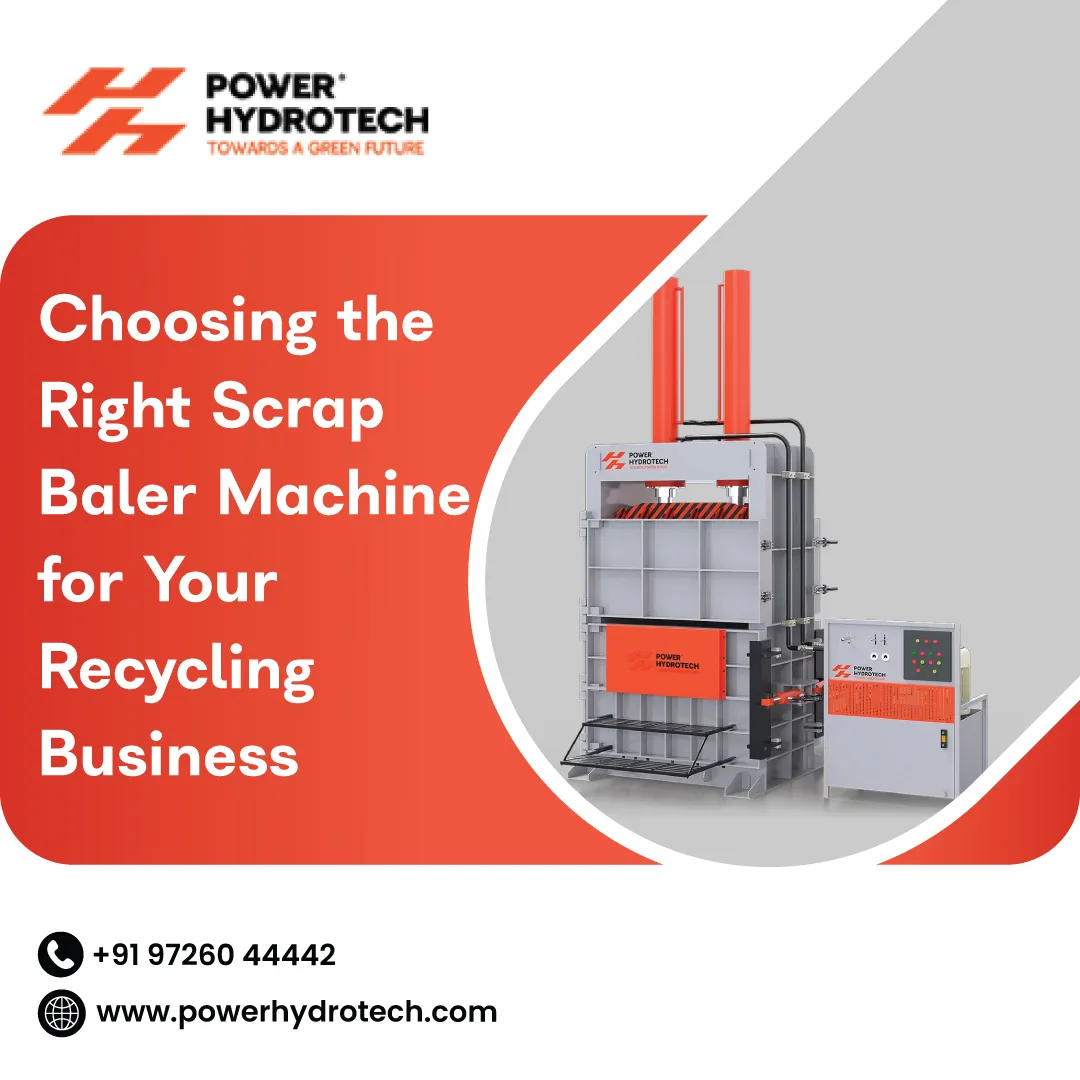
Running a recycling business is about control. Scrap arrives daily, space fills fast, and handling costs rise without warning. When scrap stays loose, your yard feels crowded, movement slows, and resale value drops. A Scrap Baler Machine brings order into this chaos. It compresses scrap into neat, manageable bales that save space, reduce transport costs, and improve buyer trust. Choosing the right machine is not just a purchase decision. It is a long-term business move that shapes daily efficiency and future growth.
Why a Scrap Baler Machine Matters in Recycling
A Scrap Baler Machine helps recycling businesses manage material in a clean and organized way. Loose scrap spreads quickly and creates safety risks. Baled scrap stays compact and stable. This makes storage easier and yard movement safer. Buyers also prefer uniform bales because they are easy to load and process. With the right baler in place, your recycling workflow becomes faster and more predictable.
Step One. Understand Your Scrap Material
Every recycling business handles different scrap. Some deal with light materials like aluminum or tin. Others manage heavy steel scrap daily. The type of scrap directly affects machine selection. A Scrap Baler Machine must match the toughest material you process. When capacity matches material strength, the machine runs smoothly and lasts longer. Ignoring this step often leads to frequent repairs and poor bale quality.
Step Two. Choose the Right Machine Structure
Machine structure decides how well the baler fits your workspace. Vertical balers suit smaller yards with limited space. They handle moderate scrap volumes and offer simple operation. Horizontal balers support higher volumes and continuous feeding. They suit large recycling operations that run throughout the day. Selecting the right structure helps maintain smooth movement inside the yard and avoids workflow congestion.
Step Three. Check Baling Force and Output Capacity
Baling force defines how dense your bales will be. Higher density means better storage and lower transport cost. Output capacity decides how fast your scrap gets processed. A balanced Scrap Baler Machine delivers consistent pressure and steady output. This balance keeps operations smooth during peak hours and avoids delays that affect dispatch schedules.
Step Four. Evaluate the Hydraulic System
The hydraulic system is the core of any Scrap Baler Machine. Stable hydraulics create uniform pressure and consistent bale size. Poor hydraulic quality leads to oil leakage, uneven compression, and frequent stoppages. Machines built with reliable hydraulic components run longer with fewer interruptions. Over time, this stability reduces maintenance stress and keeps production steady.
Step Five. Focus on Safety and Operator Comfort
Recycling yards demand strict safety control. Operators work close to heavy scrap and moving equipment. A well-designed Scrap Baler Machine includes safety guards, stable controls, and emergency stop features. Simple control panels reduce operator error and training time. When operators feel confident, productivity naturally improves.
Step Six. Maintenance and Long-Term Support
Every machine needs service. Easy maintenance saves time and money. Choose a Scrap Baler Machine with accessible parts and clear service points. Strong after-sales support adds long-term value. When spare parts and technical help are readily available, downtime stays low and planning becomes easier.
Step Seven. Energy Use and Cost Control
Energy cost affects profit margins directly. Modern Scrap Baler Machine models focus on efficient hydraulic cycles that reduce power consumption. Lower energy use supports daily savings and stable monthly expenses. Cost control over time matters more than initial price. A machine that runs efficiently year after year delivers better value.
Why the Right Scrap Baler Machine Supports Business Growth
The right Scrap Baler Machine improves yard discipline and speeds up daily operations. Scrap moves faster from collection to dispatch. Storage stays organized. Buyers receive clean and dense bales, which strengthens trust and repeat business. This efficiency supports growth without adding extra manpower or space.
Why Choose Us
Choosing Power Hydrotech Private Limited means investing in experience and practical engineering. Power Hydrotech Private Limited designs machines that match real recycling conditions, not just specifications on paper. Our Scrap Baler Machine range focuses on strong hydraulics, durable construction, and consistent output. We work closely with recycling businesses to understand their volume, material, and space needs. Power Hydrotech Private Limited also provides dependable technical support, helping clients operate with confidence and plan for long-term growth.
Conclusion
Selecting the right Scrap Baler Machine shapes the future of your recycling business. It affects storage efficiency, safety, transport cost, and resale value. When the machine matches your scrap type and daily volume, operations stay smooth and predictable. A strong hydraulic system and reliable support reduce downtime and stress. Smart selection today builds a stable foundation for growth tomorrow. The right choice brings clarity, control, and lasting operational strength to your recycling yard.
Best Key Takeaways
- The right Scrap Baler Machine improves yard organization and safety.
- Matching machine capacity with scrap type prevents performance issues.
- Strong hydraulics define long-term reliability and output quality.
- Efficient machines reduce energy and transport costs.
- Choosing the right manufacturer supports long-term growth.
Planning to upgrade your recycling workflow with the right Scrap Baler Machine. Call +91 9726044442 or email sales@powerhydrotech.com for expert guidance and detailed information.
FAQs
What does a Scrap Baler Machine do?
A Scrap Baler Machine compresses loose scrap into compact bales for easy storage, transport, and resale.
Which scrap materials can be processed?
It handles metal and industrial scrap based on machine capacity and design.
How do I select the correct baler size?
Selection depends on scrap volume, material strength, and available yard space.
Is daily maintenance required?
Basic routine checks help maintain smooth performance and reduce downtime.
Does baling improve resale value?
Yes. Dense and uniform bales attract better pricing and buyer interest.